WuXi Biologics
Offering End-to-End Solutions

Research Chemistry
Services
Overcoming Structural and Synthetic Bottlenecks in Targeted Protein Degradation
Overcoming Structural and Synthetic Bottlenecks in Targeted Protein Degradation
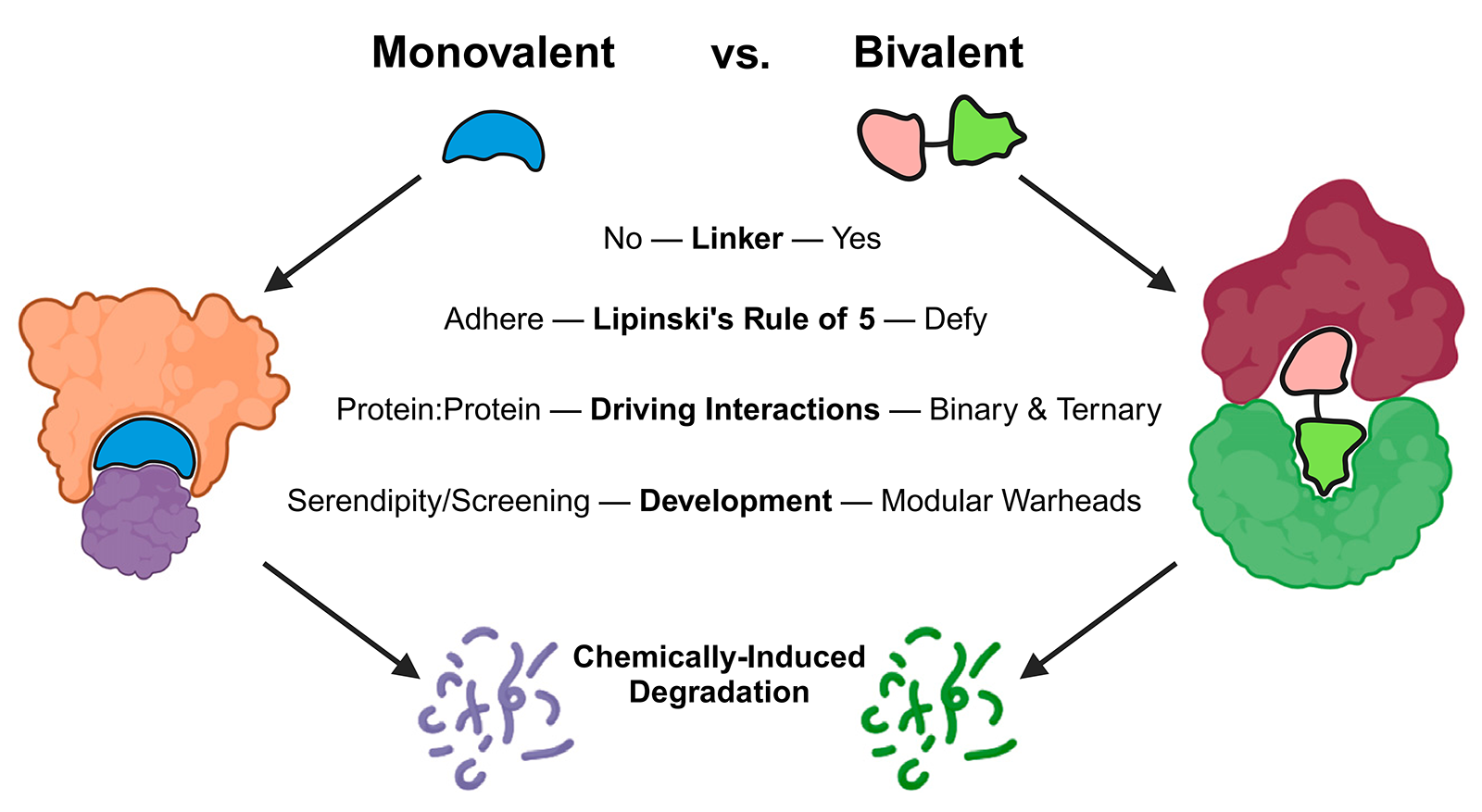
Fig 1. Comparison of Monovalent and Bivalent Degrader Properties [1]
The concept of TPD is now robustly validated in the clinic. Several molecular glues have already reached the market, with more than a dozen next-generation compounds advancing steadily through clinical trials [2]. For PROTACs, over 20 candidates are currently in various stages of clinical development [3]. While early efforts were heavily concentrated in oncology, the field is rapidly expanding into diverse therapeutic areas.
Although constrained by large molecular weights, heterobifunctional degraders can be systematically engineered to achieve oral bioavailability. Recent literature illustrates that this is accomplished through the rational, iterative modification across their three modular components: the linker, the E3 ligase ligand, and the protein of interest (POI) ligand [3].
As the therapeutic landscape evolves, novel hybrid modalities are also emerging, most notably Degrader-Antibody Conjugates (DACs, Figure 2). By conjugating a degrader payload to a monoclonal antibody, DACs synergistically combine the catalytic degradative power of TPDs with the precise tissue-targeting capabilities of monoclonal antibodies. This allows for the highly selective delivery of degraders to specific cell populations.
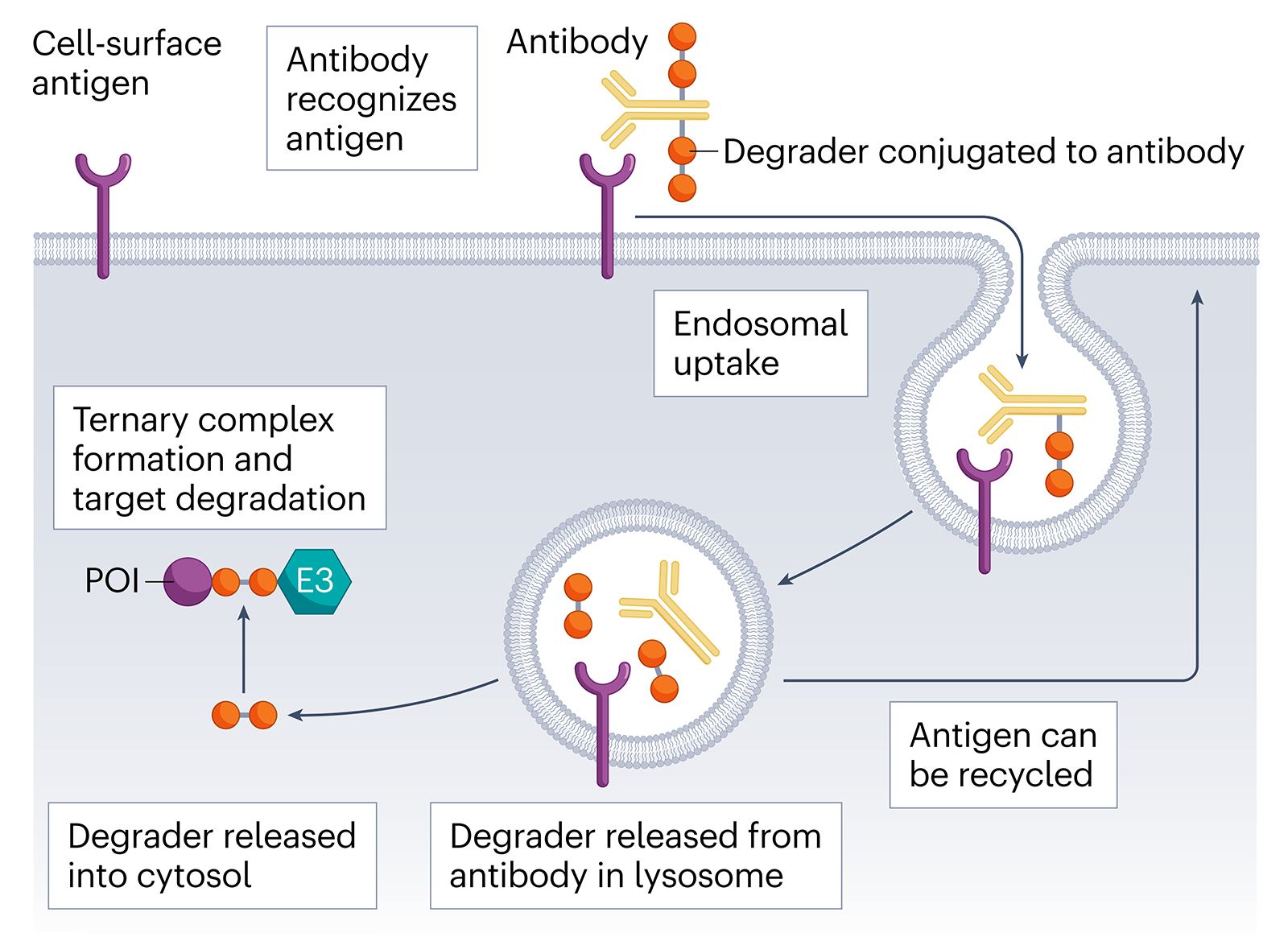
Fig 2. Degrader-Antibody Conjugates (DACs) [4]
Concurrently, the industry is witnessing the advent of targeted degradation strategies that operate independently of conventional ubiquitination pathways. These non-ubiquitin-proteasome system (non-UPS) based methodologies hijack alternative cellular clearance mechanisms, broadening the scope of druggable targets and offering novel avenues for therapeutic intervention (Figure 3).
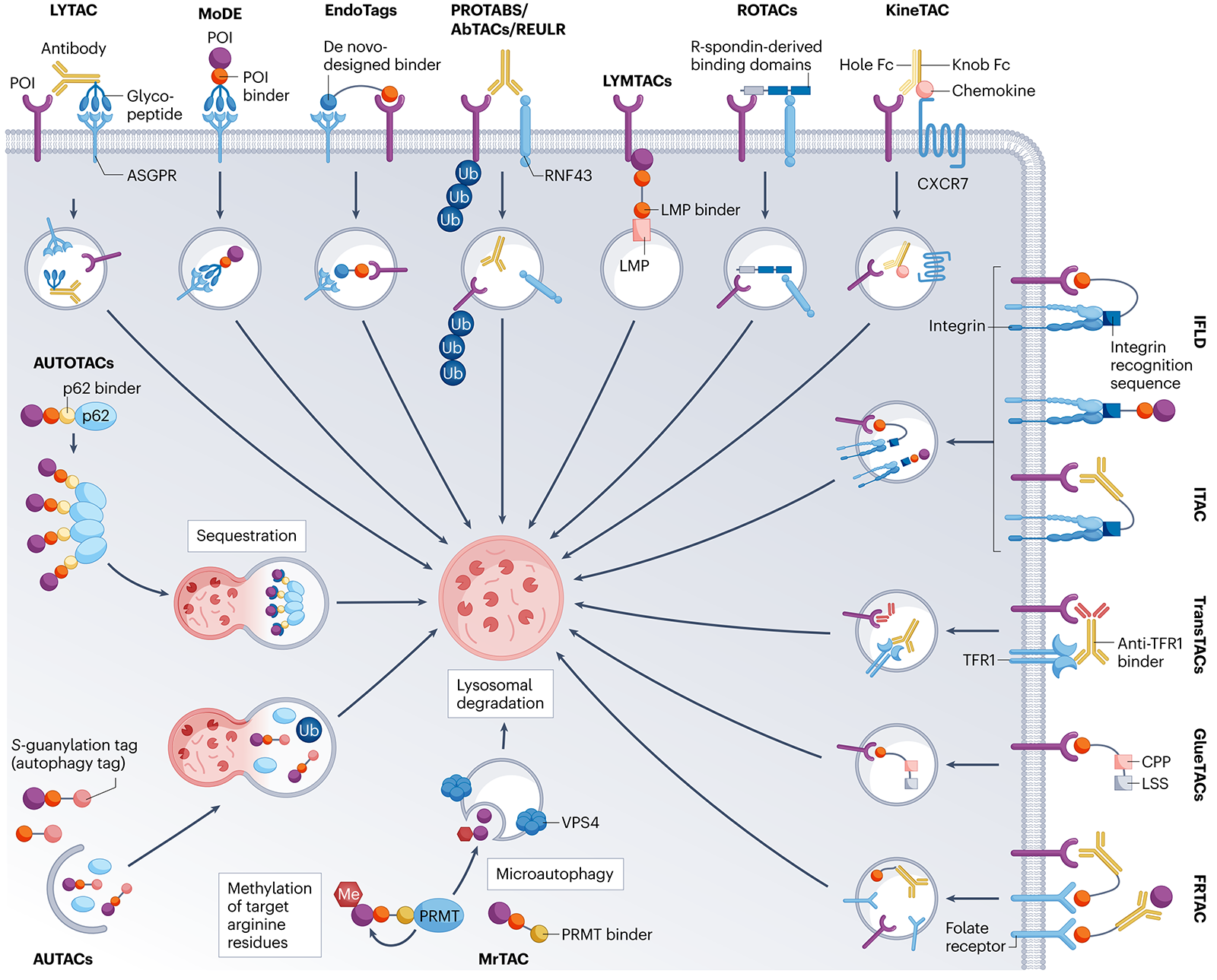
Fig 3. Non-Ubiquitin-Proteosome System-Based TPD Modalities [4]
Persistent Challenges in TPD
The defining advantage of TPD is its event-driven, catalytic mechanism: these molecules drive degradation by binding to non-catalytic protein centers, successfully unlocking historically “undruggable” targets. However, significant hurdles remain.
From a medicinal chemistry perspective, these challenges manifest in three critical areas:
- Hard to Design:
- Compound design remains largely empirical, as target binding affinity does not predict activity.
- Many compounds need to be synthesized and tested to find functionally active degraders.
- Hard to Synthesize:
- Synthesis is lengthy and requires proper sequential assembly of the target protein binder, linker, and E3 binder.
- Purification requires special solvents and column conditions by trial and error – compounds have poor solubility and are prone to epimerization.
- Hard to Optimize:
- Compounds are typically “beyond the rule of 5” with low solubility.
- Many compounds need to be synthesized and tested in animal studies to find orally bioavailable degraders.
Engineering an Open-Access Engine for Drug Discovery
Addressing these structural bottlenecks requires a robust, integrated infrastructure. Over the past decade, WuXi AppTec has established a comprehensive, CRDMO platform to support the discovery of these targeted protein degraders. Driven by the collaborative nature of modern drug development, chemistry teams within this ecosystem operate in seamless integration with biology and biophysical screening experts.
Core platform capabilities include:
- Vast Chemical Toolkits: A proprietary collection of building blocks featuring over 2,800 diverse linkers (spanning spiro, heterocyclic rings, and varying PEG chains, Figure 4) alongside over 200 ready-to-use E3 ligase ligands.
- Analytical Excellence: Over 200 specialized analytical methods have been developed to support the rigorous characterization and purification of complex degraders.
- Unmatched Synthetic Output: Over 238,000 bespoke medicinal chemistry compounds have been successfully synthesized exclusively for PROTAC programs.

Fig 4. Linkers for TPD Synthesis
On the biological testing front, a comprehensive suite of in vitro, cellular, and in vivo assays enables the rapid evaluation of binary and ternary complex formation, ubiquitination kinetics, target degradation efficiency, and detailed PK/PD profiling. Driven by this integration of synthetic horsepower and robust screening, the platform has successfully supported the advancement of approximately 80 preclinical candidates (PCCs) into clinical trials.
Advanced Chemistry and Analytical Solutions
To expedite the assembly of these macro-scale architectures, novel synthetic technologies have been deeply integrated into routine workflows. The broad application of photoredox and flow chemistry significantly reduces the number of synthetic steps and overall turnaround times, facilitating the rapid assembly of building blocks—particularly when exploring complex modifications of cereblon (CRBN) binders (Figure 5).
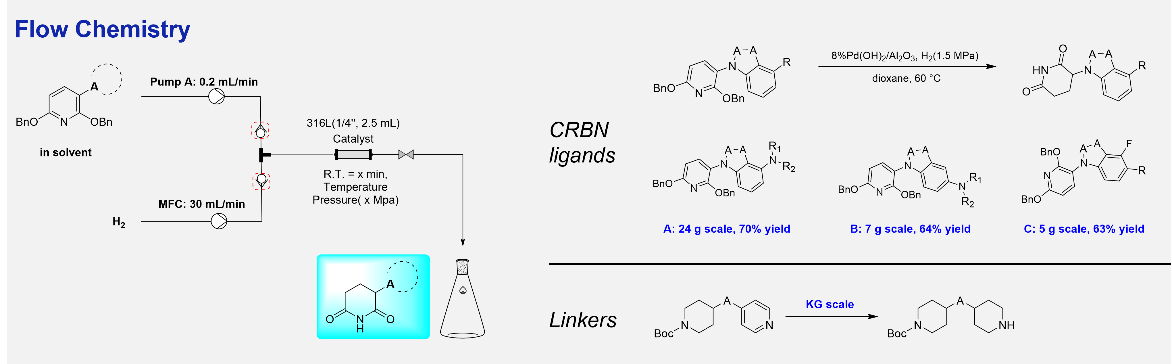
Fig 5. TPD Synthesis Using Flow Chemistry Technology
However, synthesis is only the first hurdle; purification often acts as the primary bottleneck. Due to their large molecular weights (frequently >500 Da), PROTACs often exhibit poor solubility and stability. For example, CRBN binders such as IMiDs possess epimerizable (racemizable) chiral centers. To address this, specialized purification techniques have been developed to guarantee chiral integrity. Furthermore, high-throughput purification protocols for molecules with highly polar linkers allow for the efficient, high-volume processing of compound libraries.
The Integrated TPD Workflow: From Hit to PCC
Project progression is managed through a streamlined, cross-functional paradigm. When a validated “warhead” (POI ligand) is provided, efforts immediately pivot to E3 ligase ligand selection and sophisticated “linkerology” mapping.
In scenarios where a POI warhead has yet to be identified, vast structural libraries and biophysical screening platforms—including Affinity Selection Mass Spectrometry (ASMS), High-Throughput Screening (HTS), and Fragment-Based Drug Discovery (FBDD)—are deployed to identify novel starting points.
Once both ligands are secured, an iterative cycle of synthesis and testing is initiated to identify hits, optimize them into leads, and ultimately identify the PCC through rigorous in vivo efficacy and toxicology evaluations (Figure 6). Dedicated program management experts ensure a flawless transition across all functional areas.
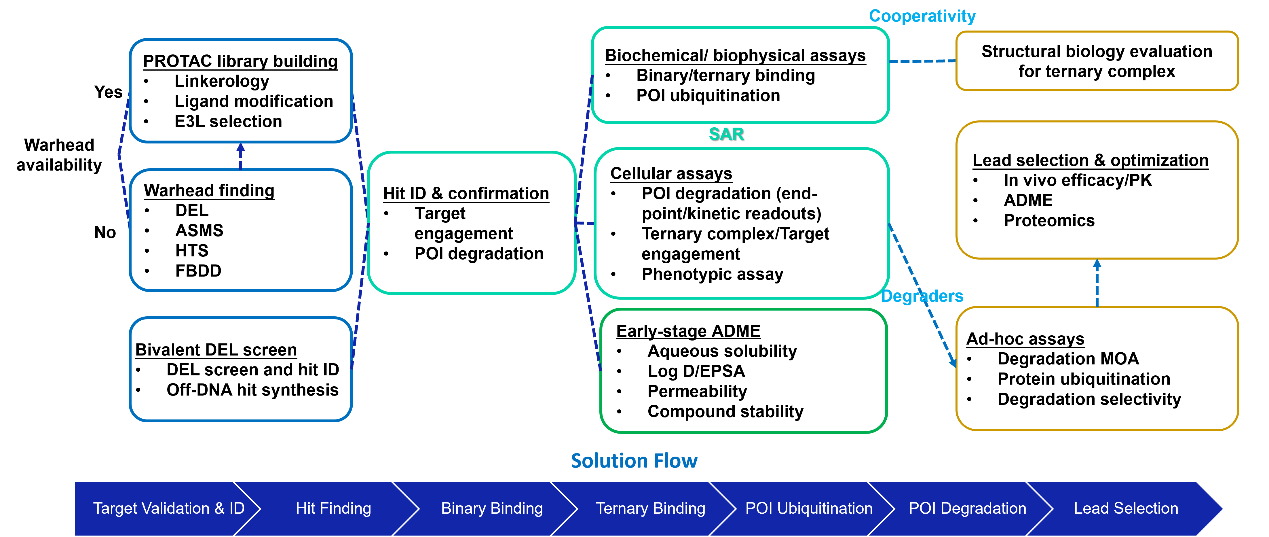
Fig 6. Workflow for TPD Drug Discovery
Accelerating Discovery Cycles: The Direct-to-Biology (D2B) Paradigm
To further compress discovery timelines, a Direct-to-Biology (D2B) approach has been successfully implemented in WuXi AppTec. This workflow deeply integrates chemistry and biology by synthesizing compound libraries in situ at the nanomole scale, directly within assay plates.
Leveraging a massive on-site inventory of E3 ligase ligands and linkers, highly reliable chemical reactions—such as amide couplings utilizing carboxylic acids and amines—are applied to generate testable compounds instantaneously. The continuously expanding D2B chemical toolkit now includes reductive amination, photochemistry, and increasingly complex bond formations.
Consequently, discovery cycle times are slashed from the traditional 5–6 weeks down to just 5–6 days.
Proven Impact: Real-World Case Studies
Two notable case studies demonstrate how this integrated CRDMO platform translates potential into clinical momentum:
Case Study 1: Discovery and Development of a PROTAC for Oncology
- Accelerated Timeline: Hit identification to PCC delivery was achieved in just 13 months, vastly outperforming the industry average of 24+ months.
- Robust Throughput: Over 500 compounds were synthesized and evaluated.
- Seamless CRDMO Integration: Following the PCC declaration, development and manufacturing teams transitioned the project seamlessly. Within 4 months, scale-up compounds were delivered for IND-enabling studies. The compound was subsequently scaled up to >650 kg in accordance with GMP standards for clinical trials (Figure 7).
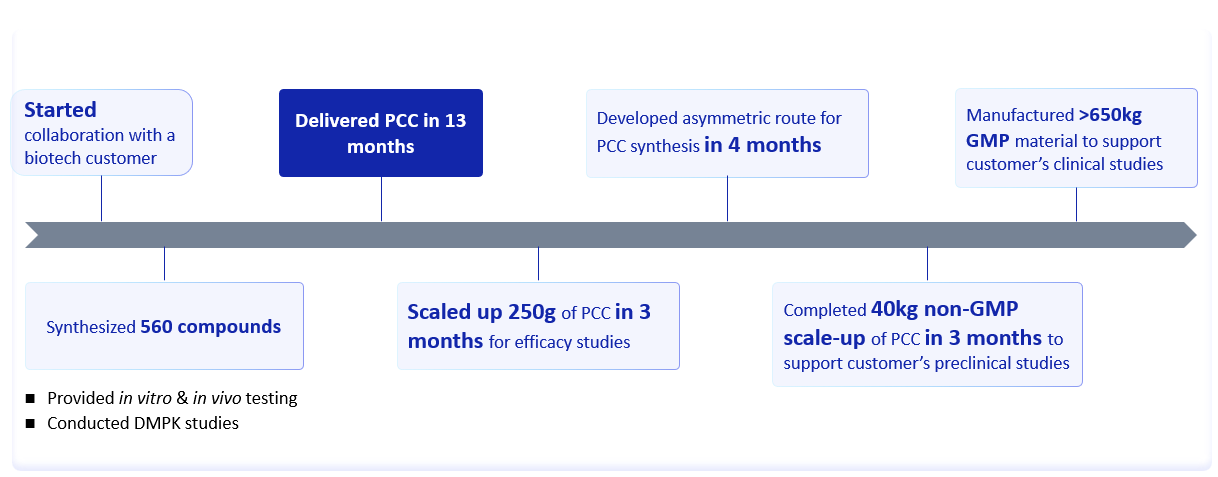
Fig 7. Discovery and Development of a PROTAC for Oncology
Case Study 2: Discovery and Development of a PROTAC for Non-Oncology
- Optimized Timeline: Hit screening to PCC delivery was completed in 16 months for a highly complex non-oncology target.
- Flexible Resourcing: The Full-Time Equivalent (FTE) team was dynamically scaled from 5 to 25 chemists to match evolving project demands.
- Rapid Execution: Post-selection, the Fee-For-Service (FFS) synthesis team executed a massive 30-step synthesis for this complex molecule within just 30 days to support critical animal studies. This compound is now advancing successfully in clinical trials (Figure 8).
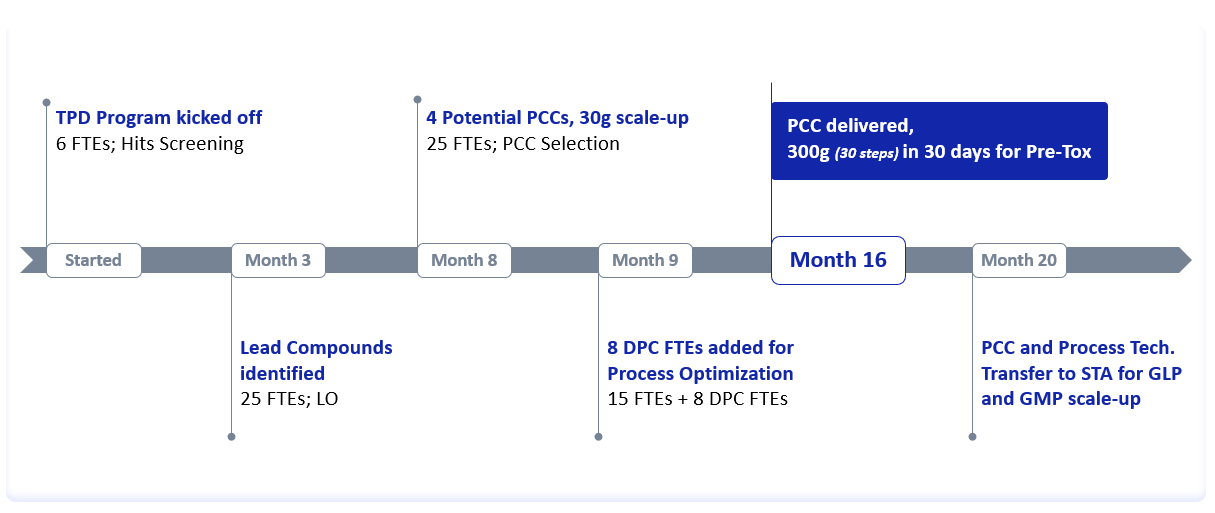
Fig 8. Discovery and Development of a PROTAC for Non-Oncology
Conclusion
As the targeted protein degradation field continues to mature, lowering entry barriers and accelerating the journey from concept to clinic remain critical industry imperatives. Addressing these demands requires a robust, seamlessly integrated infrastructure.
Whether a target resides in oncology or beyond, and whether a project initiates with a known warhead or from a blank slate, an end-to-end CRDMO platform is designed to translate the complexities of Targeted Protein Degradation into clinical realities with unprecedented speed and efficiency.
PROTAC refers to Proteolysis Targeting Chimeras, PROTAC is the abbreviated term used for this context.
References:
- 1. Next steps for targeted protein degradation, M.W. Krone & C.M. Crews, Cell Chem. Biol., 2025, 32, 219-226.
- 2. Targeted protein degradation: from mechanisms to clinic, Jonathan M. Tsai, et al., Rev. Mol. Cell Biol., 2024, 25, 740-757.
- 3. Lessons learned in linking PROTACs from discovery to the clinic, A. Pike et al., Rev. Chem., 2026, 10,117-132.
- 4. Targeted protein degradation for cancer therapy, M. Hinterndorfer et al., Rev. Cancer, 2025, 25, 493-516.